Showing posts with label hypersonic flight. Show all posts

Wednesday, August 10, 2022

The Chinese claim that they made successful tests with RDE (Rotating Detonation Engine)


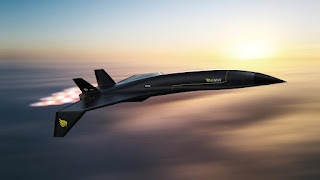
Image: X-59 QueSST ("Quiet SuperSonic Technology"). That technology is also making hypersonic aircraft noise lower. The X-59 itself is not hypersonic. But it also gives information that can benefit hypersonic aircraft. 

RDE (Rotating Detonation Engine) is one of the most brilliant ideas of hypersonic aviation. The idea is that the detonation or firefront travels on the wall of the combustion chamber. The combustion chamber can be like the barrel of a rifled rifle. The air-fuel mixture will inject into that chamber where friction can ignite it. 

There is the possibility that the combustion chamber walls will be heated by using electrical resistant components. And that means the fuel-air mixture can ignite at a lower speed. The active warming system can get its power from the air generator. 

There is the possibility that the turbojet engine will get screw-shaped rifling in its combustion chamber along with the entire internal structure. So that the system can drive exhaust gases backward in whirl-looking form. If the system can lock the engine compressors wings. The regular-looking turbo-jet can transform into a hypersonic jet. The high fly altitude can make controlling the power of airflow easier. 

The thing that makes this engine type interesting is that it can install around the turbo-jet engine. Or the "onion-shaped engine can" have three stages. But if the fuel-air mixture can ignite in lower temperatures there is the possibility that the system can accelerate to speed where this engine can start by using a regular turbojet. 


So the model of this system could be: 


0= Ramjet engines. 


1=Outer core of the engine.

2=RDF-engine

3=Turbojet

2=RDF-engine

1=Outer core of the engine.


0= Ramjet engines.


Ramjets are needed only if the fuel-air mixture cannot ignite. Regular scramjets require a speed of about Mach 6 or Mach 7 to start. And in other models, the ramjets are accelerating the aircraft to a speed where scramjets can start. The aircraft uses turbojets for lift-off and landing and then other engine types are flying aircraft to extremely high speed. 

The turbojet might have a vizier that limits its rotation speed. That system is required for energy delivered to the aircraft. But active warming system in RDE makes it possible, that the system can ignite fuel in lower temperatures and it can use an electric arc for ignition. The RDE will accelerate its exhaust gas to hypersonic speed. And that engine is one of the most fundamental systems in the world. 


https://aerospaceamerica.aiaa.org/year-in-review/plasma-measurement-and-hypersonic-flight-testing-among-developments/


https://eurasiantimes.com/chinese-firm-claims-breakthrough-in-novel-engine-tech/


https://en.wikipedia.org/wiki/Lockheed_Martin_X-59_QueSST


https://en.wikipedia.org/wiki/Ramjet


https://en.wikipedia.org/wiki/Rotating_detonation_engine


https://en.wikipedia.org/wiki/Scramjet


https://en.wikipedia.org/wiki/Turbojet


The image on the top:)  https://aerospaceamerica.aiaa.org/year-in-review/plasma-measurement-and-hypersonic-flight-testing-among-developments/


https://designandinnovationtales.blogspot.com/

Monday, April 18, 2022

Hypersonic flight will be the next fundamental advantage in aviation.


Hypersonic flight is the key to the next-generation missiles and aircraft as well as space shuttles in civil and military sectors. Aircraft that can jump outside the atmosphere and then return can be the next-generation solutions. There are rocket-based hypersonic missiles already in use. But the Scramjet-powered systems are new. 

Hypersonic missiles can launch from aircraft or by using a rocket. They can equip with powerful microwave systems that can damage electronics or even melt targets. 

Launching those weapons from aircraft is similar to a regular cruise or air-launch ballistic missile. If the weapon is shot by using a ground-based rocket the process is a little bit different. The rocket will jump outside the atmosphere. And then the hypersonic missile can get enough speed. That the scramjet engine can start. The scramjet or hypersonic ramjet-based systems can also launch from the regular runways. 

There are three versions of that kind of engine system. The first one is that the aircraft lifts off by using regular turbojets. Then when the speed is high enough the aircraft transfers to use the ramjet engine. And when the aircraft's speed rises to Mach seven or seven times higher than the speed of sound. It starts the fuel injection to the scramjet engine. 


The B-2 Stealth bomber over the Pacific. The hypersonic stealth bombers can be the most destructive systems ever created. (Image Wikipedia: Northrop Grumman B-2 Spirit)

There are no moving parts in the scramjet engine. The airflow or the fuel-air mixture's friction causes heat. 

That heat ignites the fuel. Which can be liquid hydrogen. The liquid hydrogen can also decrease the temperature of the core of the engine and aircraft. 

And the problem with scramjet is that the speed of that engine must be over Mach 6 so that the scramjet can ignite the fuel.  Another version is to make the airflow through scramjet with extremely high speed. 

That thing can be happened by connecting the hypersonic wind tunnel behind the scramjet engine. That wind tunnel can pull the air through the scramjet, and the friction will engine the fuel. 

But there is the possibility to create the ion scramjet. The engine ionizes air at the front of it. And then the magnetic track will pull those ions back. The magnetic track requires electricity. That's why portable lightweight nuclear reactors are promising tools to give fuel supply for that kind of device. 

The hypersonic stealth bombers are the most capable systems in the military world. Those bombers can attack very fast on every side of Earth. The large-size hypersonic aircraft can also transport people and cargo all around the Earth very fast. And if the hypersonic engines use hydrogen as the fuel they have no carbon emission. 


https://www.defenseone.com/technology/2022/04/lockheed-martin-hopes-us-has-turned-corner-hypersonics/365631/


https://www.defenseone.com/business/2022/04/collins-aerospace-creates-group-make-hypersonic-weapons-next-generation-aircraft/365601/


https://eurasiantimes.com/us-aims-to-develop-next-gen-fighters-hypersonic-missiles-with-new/?amp


https://thepointsguy.com/news/fresh-investment-brings-the-hypersonic-flight-dream-closer-to-reality/


Image: https://www.defenseone.com/technology/2022/04/lockheed-martin-hopes-us-has-turned-corner-hypersonics/365631/


https://en.wikipedia.org/wiki/Northrop_Grumman_B-2_Spirit


https://en.wikipedia.org/wiki/Ramjet


https://en.wikipedia.org/wiki/Scramjet


Tuesday, March 8, 2022

The 3D printing systems can revolutionize hypersonic flight.


Artist's drawing of "The Hermeus", the first commercial prototype of hypersonic aircraft. 


3D printed catalysts are the new materials for hypersonic flight. The catalysts are a mixture of metal and synthetic minerals. But if the printing temperature is high enough that kind of system can mix the carbon fiber, metal, and quartz chrystals. That kind of material can have new abilities for new space and aviation technology. 

The 3D printing systems make it possible to create new forms for the body of hypersonic systems. The cell-type structure between the outer surface and the core of the aircraft is making the hypersonic flight more secure. 

The friction will heat the aircraft core to an extremely high temperature. And the cell-looking structure where is a vacuum layer in the cells minimizes the heat transfer to the inner core. If the hypersonic aircraft can jump to ballistic or low Earth-orbiting trajectory the 3D printer systems can also fix the damages of the aircraft's body or heat shield.

The 3D printers are more flexible systems than traditional spare parts because 3D printers can create any possible mechanical spare part. When the 3D printer system is making things like ventilators. The printing system can make every part of the ventilator separately. The system requires only the assembly orders and measures. Then the 3D printer makes those parts separately. And then robots will assemble them. The system can also have lasers that search for errors.

And also lasers are used to finish the part and remove errors in the structures. In some visions, the hypersonic aircraft can equip with holes. Where some kind of cold liquid can pull outside if the core of the aircraft is overheating. When manipulators are installed in the aircraft's core. And they are equipped with a 3D carbon fiber or metal printer. 

That allows fixing the damaged core during the flight inside the atmosphere. But if the aircraft can rise the outside of the atmosphere is possible to use a long manipulator for fixing holes. That kind of system can be mounted in the Mars craft. That system can fix the damages during space flight to Mars and back. 


https://edition.cnn.com/travel/article/hypersonic-airplane-hermeus/index.html


https://scitechdaily.com/next-gen-3d-printed-catalysts-to-propel-hypersonic-flight-speeds-over-3800-mph/


https://wonderfulengineering.com/watch-the-first-ever-full-scale-hypersonic-jet-prototype-by-hermeus-in-action/


Image:)https://scitechdaily.com/next-gen-3d-printed-catalysts-to-propel-hypersonic-flight-speeds-over-3800-mph/


Monday, March 7, 2022

Electric-jet engines or plasma-jet thrusters can connect with solar energy.

Image 1)

The plasma-ion thrusters and plasma-jet engines can have virtually unlimited operational time. The problem with electric jet engines is that they must have electricity from somewhere. 

There are two ways to make virtually unlimited operational time for aircraft. The first one is to use nuclear power. 

And that kind of system is otherwise easy to make. But nuclear power technology is an extremely dangerous thing. A damaged nuclear reactor can deliver highly radioactive containment to a very large area. If that craft will drop. It can cause nuclear pollution in large areas. 

There is the possibility to make solar-powered aircraft that use plasma jets or plasma ion thrusters. The idea is that the aircraft. Much like a U-2 spy plane would fly at high stratospheric attitudes. In those altitudes, long wings are necessary. 


Lockheed U-2 "Dragon lady" (Redditt)


Those wings can be coverer by using solar panels. The thin air makes low friction. And it makes it possible that this system can fly at quite a fast speed. But solar-powered aircraft can also be hypersonic. Energy production can boost by using windmill turbo generators. 

But another way is to make hypersonic aircraft that use plasma thrusters or plasma jet engines. The system bases the ability to make origami-type lightweight solar panels that can be pulled inside when the craft is not using them. The hypersonic aircraft can jump away from the atmosphere, open its solar panels. When the batteries are loaded that craft can drop back into the atmosphere. 

While traveling in the atmosphere, the aircraft can use a windmill turbogenerator. For slowing the emptying of batteries. 

The fact is that the solar-windmill generator combination can use along with remote loading systems. The remote loading system can shoot the aircraft by using radio rays.  '

For loading the electric systems in the night time. The thing is that imagination is the limit in futuristic concepts. Energy production with green systems is a very interesting thing because there is always a risk of accidents. 


https://geekerhertz.com/article/uncovering-chinas-new-electric-plasma-jet-engine


https://interestingengineering.com/new-electric-jet-engine-actually-works-inside-the-atmosphere


https://www.theengineer.co.uk/plasma-jet-microwave-wuhan/


https://en.wikipedia.org/wiki/Pulsed_plasma_thruster


https://en.wikipedia.org/wiki/Lockheed_U-2


Image 1) https://geekerhertz.com/article/uncovering-chinas-new-electric-plasma-jet-engine


https://likeinterstellartravelingandfuturism.blogspot.com/


Gluons' behavior and GUT (Grand Unified Theory).

New models challenge long-standing models. Of. How gluons behave in atomic nuclei. There is a point at which gluons start to behave collecti...